Ultrasound image retrieval
Self-supervised search over abdominal ultrasound with DINOv3 + FAISS: show a scan, find the most similar reference cases.
DINOv3FAISSSelf-supervised
I'm Yupaporn Wanna, a researcher at the Visual Intelligence Lab, Khon Kaen University. I teach machines to read medical images: from ultrasound and CT scans all the way down to a photo taken on a regular smartphone.
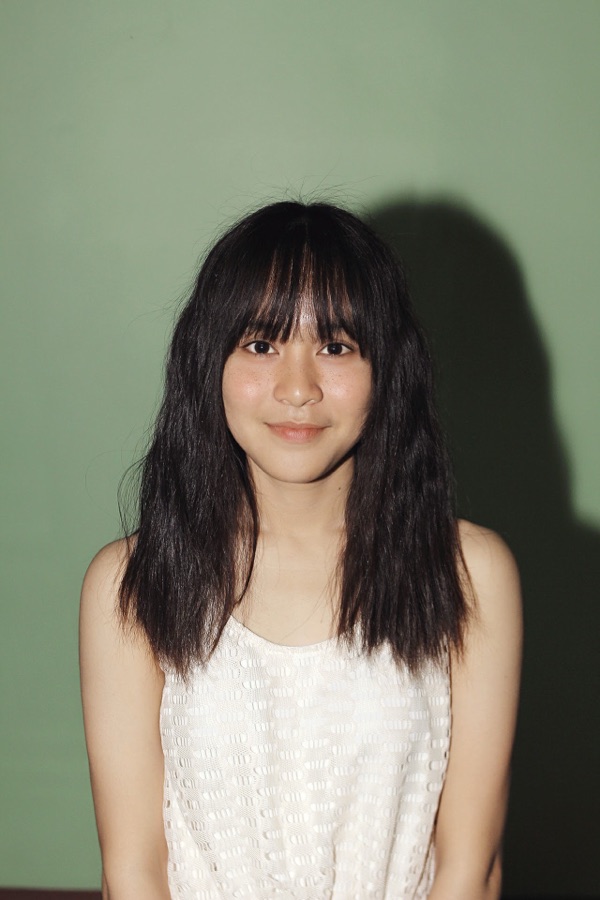
Statistics taught me to ask whether a result is real. Deep learning lets me build things that matter in a clinic.
I started in statistics at Khon Kaen University and found my way into computer vision through a very unusual first project: spotting people carrying concealed guns in CCTV footage. Since then, most of my work has moved into medicine, where I build AI that can run where it's needed, on portable ultrasound machines and ordinary phones.
I care about the whole path: collecting and labelling the data, training the model, and checking whether doctors can actually trust and use it.
Detecting upper-abdominal and biliary-tract abnormalities in ultrasound, from BiTNet to a 15-class model trained on 10,000+ field images.
Reading rapid tests, DNA sensors and tooth colour from a smartphone photo, so screening can happen outside the hospital.
Explainable attention maps, machine unlearning, and user studies on how the interface changes what doctors decide.
Self-supervised search over abdominal ultrasound with DINOv3 + FAISS: show a scan, find the most similar reference cases.
Fine-tuning BiTNet on the USAI10K field dataset across 15 abnormality classes, with unlearning to separate left/right views first.
A hybrid deep CNN for biliary-tract ultrasound, with attention maps and confidence scores. Published in Artificial Intelligence in Medicine.
Abnormality detection optimised to run on resource-constrained portable ultrasound devices.
Reading liver-fluke rapid diagnostic tests from smartphone photos for mass screening. Scientific Reports, 2025.
Matching tooth shade through a phone camera, with colour calibration that works across different devices. First-author paper.
ML models that turn a colour change in a nanoparticle test into a cancer DNA concentration reading.
My BSc and MSc thesis: spotting people carrying hidden guns in CCTV through how they move. Led to the CONG dataset (first-author).
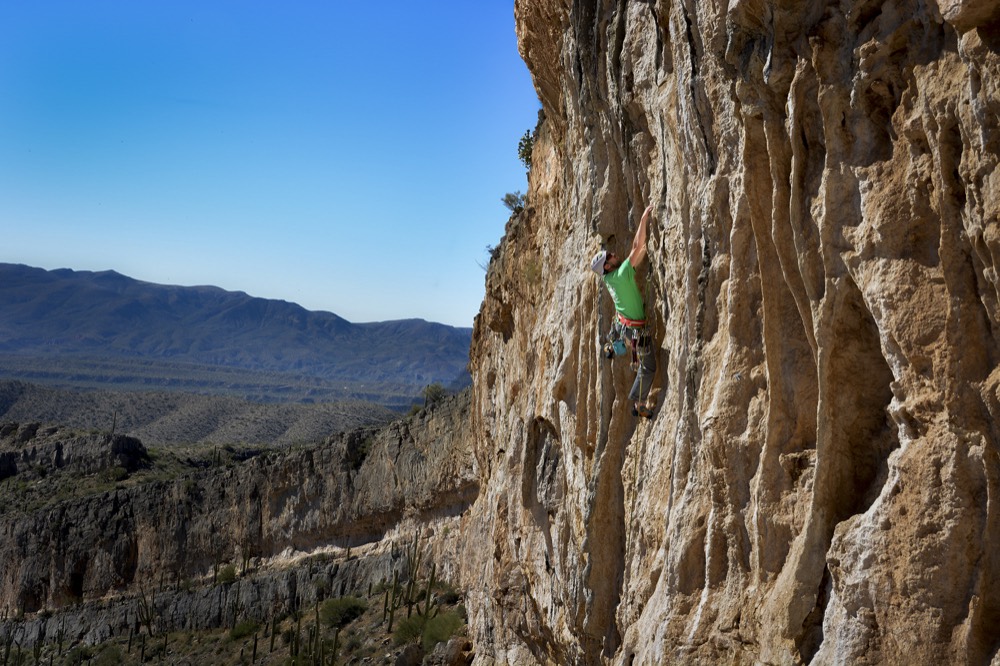
My favourite way to switch off from screens. It's a puzzle you solve with your whole body, one hold at a time.
I'm even building AI for it →Coming soon: what I listen to
Coming soon: places I love
More is coming. This corner grows one detail at a time.
Side projects that start from something I love, not from a grant.
Where my two worlds meet: a system that detects a climber's body pose and moves on the wall, using the same computer-vision toolkit I use for medical images.
I'm open to collaboration on medical AI, computer vision, and applied-statistics research.